Coming soon

The Five Moves

An AI fluency game. You learn it by doing it, not by reading about it.

A short clip from an early version of the game. What you see may still change.

What is The Five Moves?

The Five Moves is a game that teaches your team to work with AI so the result holds up. You walk around a small village, Brinvik, and get work from an ordinary week.

You do not click the right answer. You fetch what the task needs, hand it to the machine and see what comes out. Get it wrong and you see the consequence. That is how it sticks.

The game is built on the method I teach in my AI workshops. Five moves: Frame, Brief, Verify, Protect and Reuse. At the end you use all five on one real task.

What is the game for?

Most companies have given their people access to AI. Few have given them the judgment to use it. The game closes that gap in about an hour per person, in the browser, with nobody stuck in a meeting room.

It is built to be used. You do not memorise prompts, because they change. You learn a method you still use in three months.

Who can buy it?

The game will be sold per seat to companies and schools once it is ready. There will be ten profiles: sales, marketing, customer success and administration, each for employees and managers, plus teachers and students aged 15 and up.

Each player gets a code with their own role. Every document in the game is fictional, and nothing from your company is read or stored. At the end the player gets a certificate that names the profile and how many days the task took.

Six chapters, one move at a time

Each chapter has its own house in the village and its own character who hands you the work.

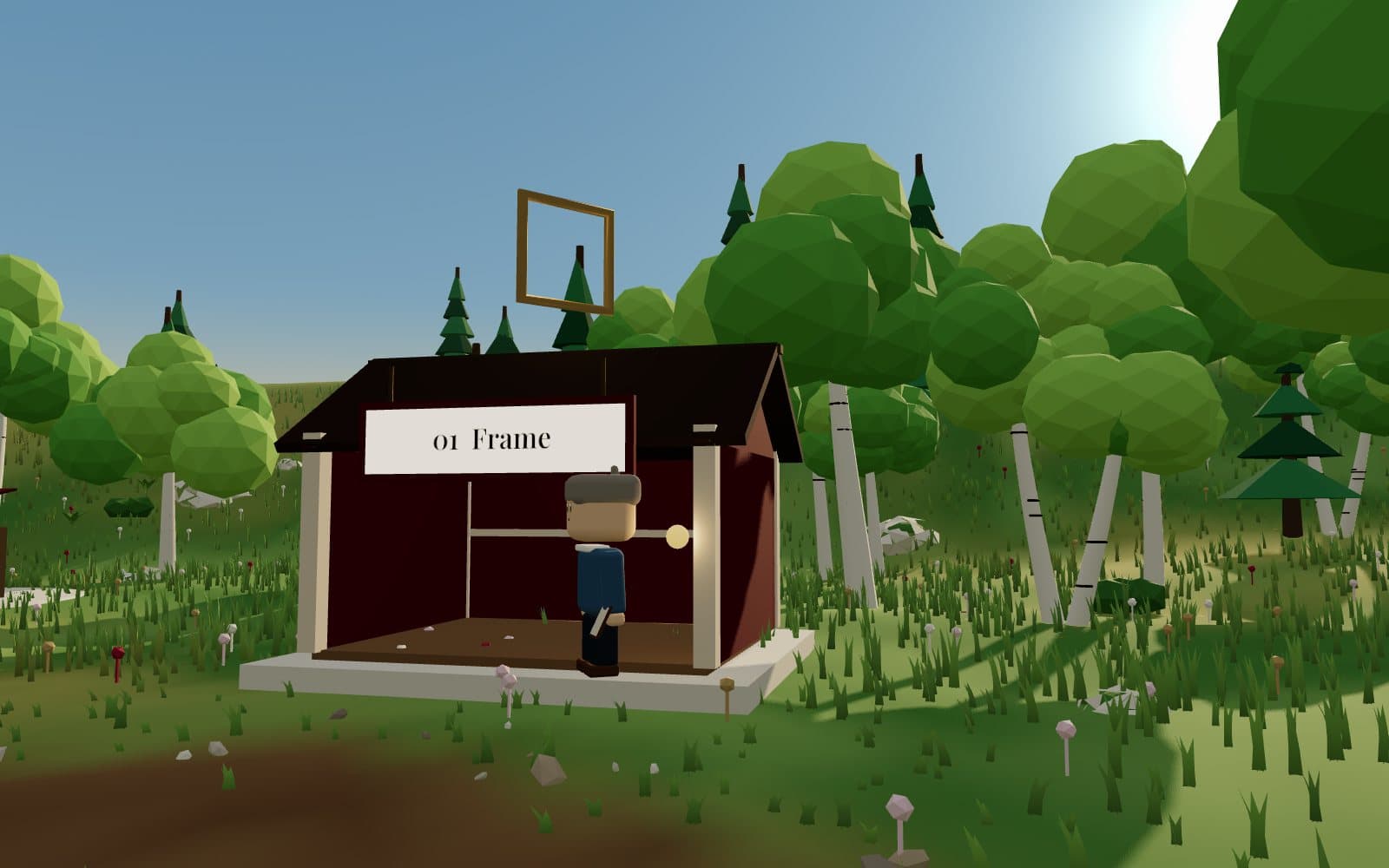
The red workshop with the sign 01 Frame in a clearing of birch trees. The Taskmaster stands in the doorway and an empty gold frame floats above the roof.
Chapter 01, Frame. The Taskmaster waits in the workshop.
01Frame

Decide before you type.

What it is about

Before you open the chat, you decide what the task needs, whether AI can do it at all, and what done looks like.

Why it matters

Most people start by typing. They get an answer to a question they never asked properly and call it AI that does not work. One minute here saves twenty later.

Learning goal

You can say which part of a task belongs with AI, which part you keep, and what done means, before you start.
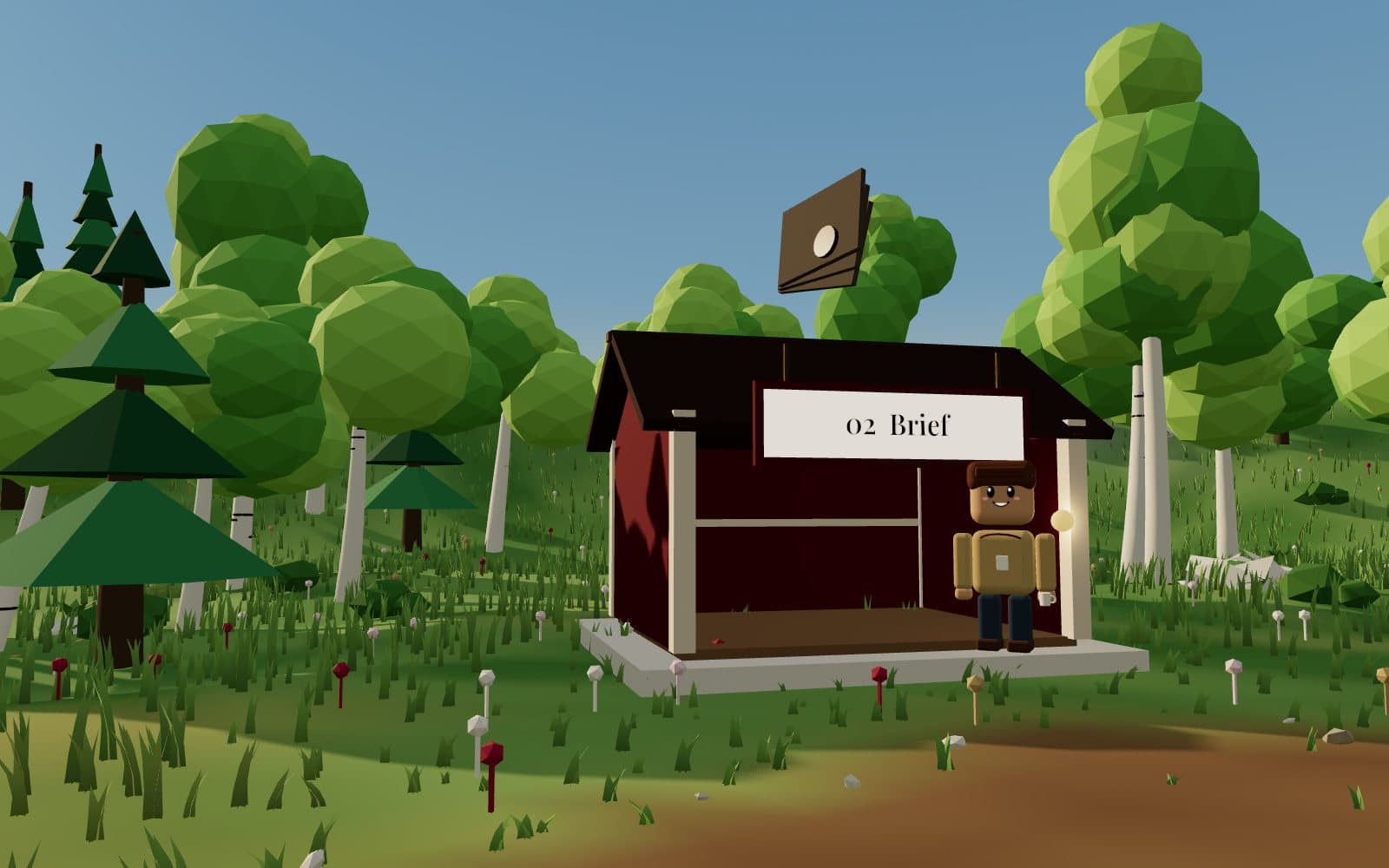
The red workshop with the sign 02 Brief among leafy trees. The New Colleague stands ready in the doorway.
Chapter 02, Brief. The New Colleague is skilled but does not know the house.
02Brief

Hand it over like you would to a new colleague.

What it is about

You give AI what a skilled new colleague would need: who it is for, what the goal is, which facts apply, what must not happen, and what shape it should take.

Why it matters

AI does not know your company. Leave a piece out of the brief and it guesses. The guess sounds right, and that is exactly what makes it dangerous.

Learning goal

You can write a brief a new colleague could work from without asking, and you can see what each part does to the result.

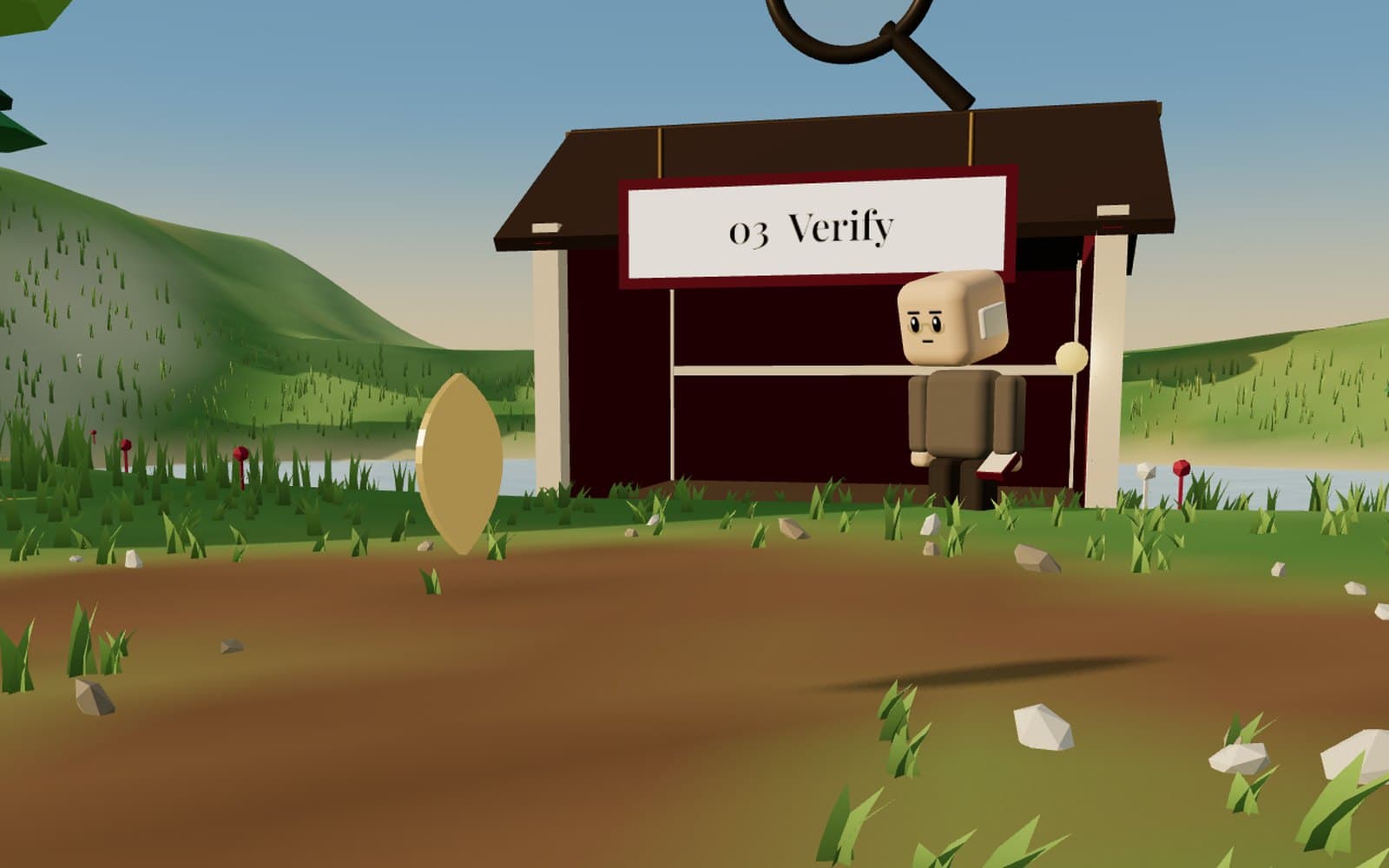
The red workshop with the sign 03 Verify by the water. The Archivist stands in the doorway and a magnifying glass floats above the roof.
Chapter 03, Verify. The Archivist believes nothing without a source.
03Verify

Sounding right is not being right.

What it is about

You judge what came back against your own standard and your sources. Numbers, names and quotes get checked before anything moves on.

Why it matters

AI writes with the same confidence whether it is true or not. Whoever sends the text on stands behind it.

Learning goal

You can spot what sounds right without being right, and you know when you can check it yourself and when to ask someone else.

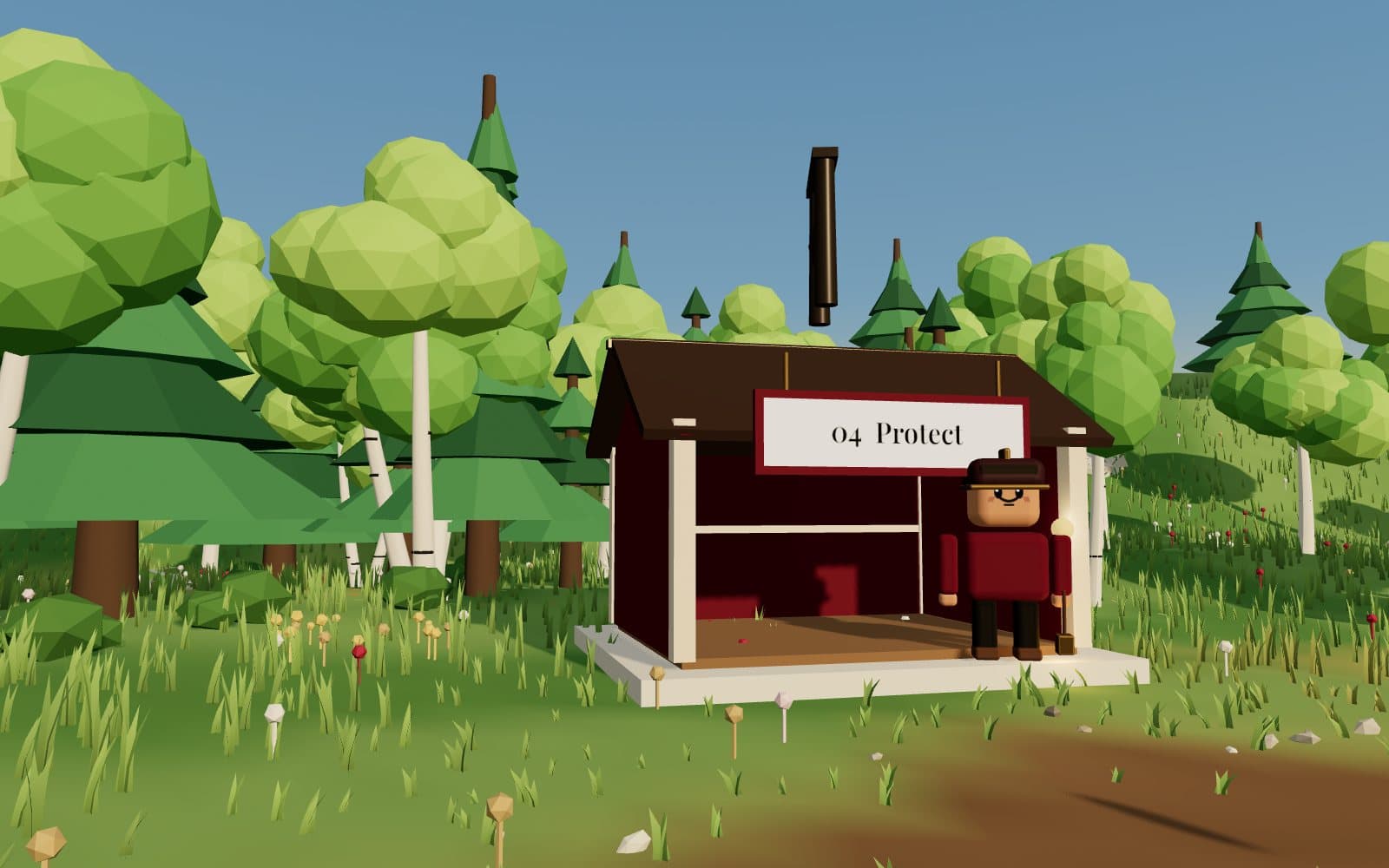
The red workshop with the sign 04 Protect among spruce trees. The Guard stands at the entrance.
Chapter 04, Protect. The Guard stands at the gate.
04Protect

What may go in, and what may go out.

What it is about

You decide which information may be given to AI, what may be sent on, and who stands behind it.

Why it matters

One customer list in the wrong tool is enough. The rules have to be easy to remember on a busy day, or nobody follows them.

Learning goal

You can tell personal data and trade secrets apart from the rest, keep them out of the wrong tools, and name who is accountable.

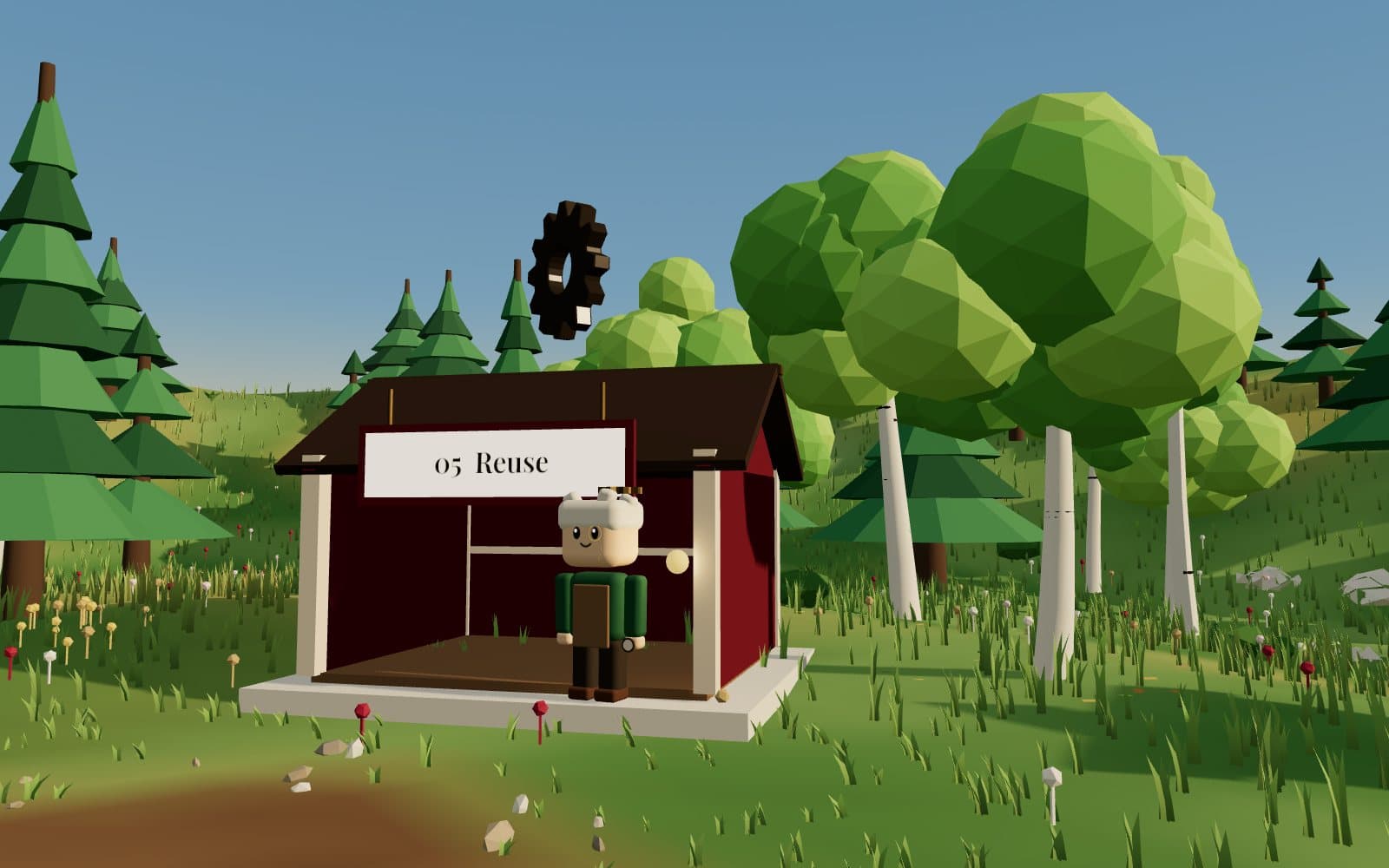
The red workshop with the sign 05 Reuse on a green slope. The Clockmaker stands in the doorway and a gear floats above the roof.
Chapter 05, Reuse. The Clockmaker makes things run again.
05Reuse

What worked should run again.

What it is about

You turn a task that went well into something that runs again: the brief, a good example, the part that changes each time, and an owner.

Why it matters

This is where the hours come back. Whoever rebuilds the same thing from scratch every Monday never really saves anything.

Learning goal

You can turn a task into a template your team can reuse, with a clear owner and clear limits.

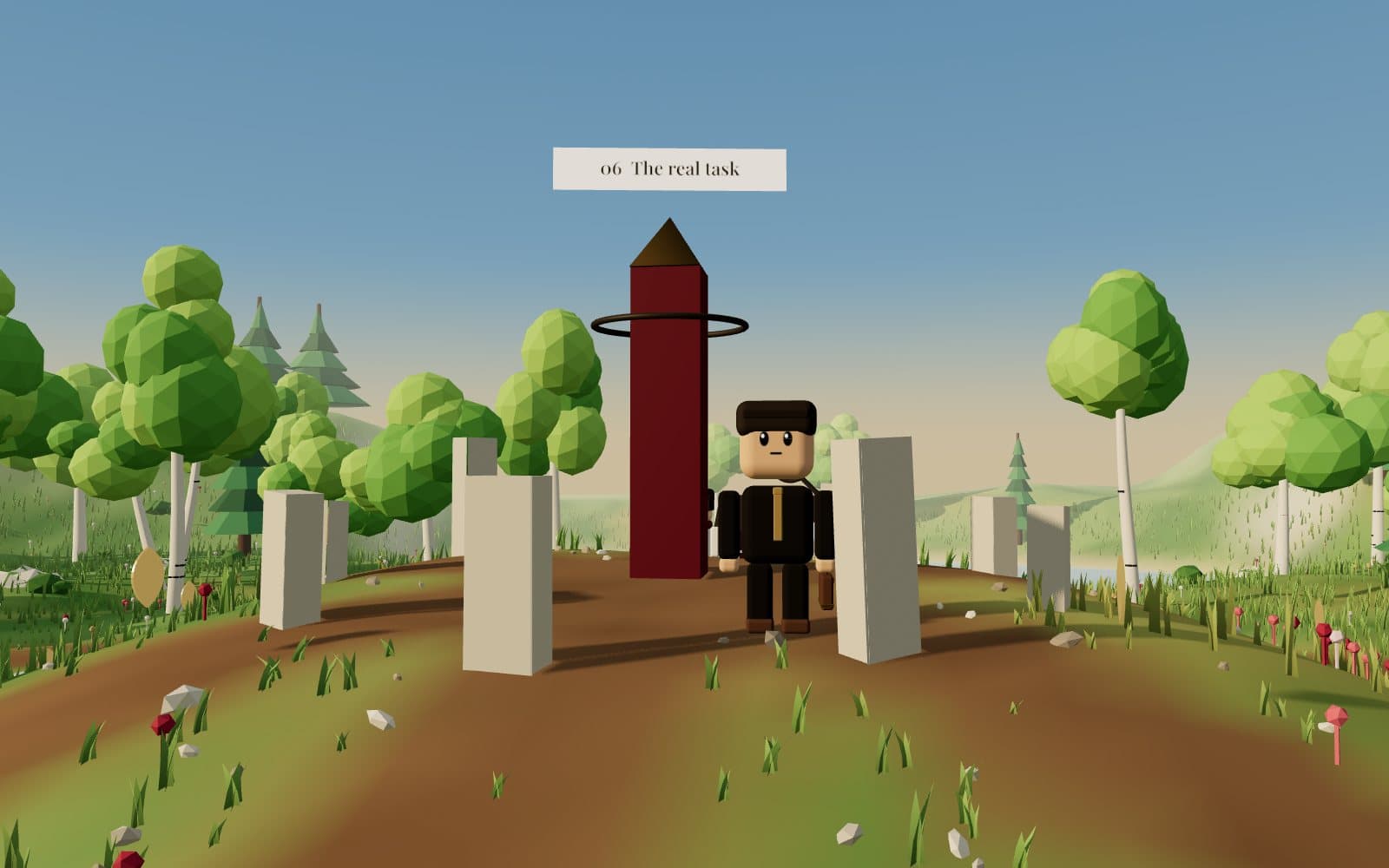
The stone circle in the middle of the village with the sign 06 The real task above a red pillar. The Boss stands among the stones.
Chapter 06, The real task. The Boss needs a draft before Friday.
06The real task

All five moves on one task.

What it is about

The week ends with one task from start to finish and a clock that keeps running. You use the five moves in order, the way you would on a busy Friday.

Why it matters

A method you can only use one piece at a time does not survive a real working week. Here you see how the moves fit together.

Learning goal

You can take a new task from first thought to finished result with AI and stand behind what you send.

Want to be among the first?

The game is still being built. Write to me if your team should play it, and I will get back to you when seats open.

Write to me

Book 30 minutes with Kim

Free. You leave with a yes, a no, or a plan.